You wake up with your heart pounding. The image is still sharp in your mind—a confrontation, a struggle, and finally, you killing a snake in your dream. It feels intense, maybe even violent. Your first instinct might be to search for a quick, one-size-fits-all meaning. "Is this a good omen or a bad one?"
Let's cut through the generic lists you find online. A dream killing snake is rarely just about "overcoming enemies." That's surface-level. As someone who's spent years analyzing dreams and their connection to waking life, I've found these dreams are almost always a direct message from your subconscious about internal conflict, not external battles. The real meaning is buried in the specific details of your dream and your personal life. This guide will give you the tools to dig it out yourself.
What You'll Find in This Guide
What Does Killing a Snake in a Dream Mean? Beyond the Generic Symbolism
Forget the dream dictionaries that say snake = temptation or enemy. In modern dream analysis, especially from a psychological perspective, the snake often represents a few key things:
Instincts or primal energy (think libido, creativity, raw ambition).
Healing or transformation (the shedding of skin).
A specific fear or anxiety that feels "slippery" and hard to pin down.
A part of yourself you're uncomfortable with.
The action of killing it is the crucial part. It signals an attempt to suppress, eliminate, or gain control over whatever the snake symbolizes. Here’s the nuanced breakdown most articles miss:
The Context of the Kill Changes Everything
Did you kill it in self-defense, feeling terrified? This likely points to you trying to suppress a fear or anxiety (the snake) that you feel is attacking you. The killing is a defense mechanism.
Did you hunt it down proactively, feeling determined or angry? This might indicate you're actively trying to cut off a part of your life, a habit, or even an aspect of your personality you deem toxic or unnecessary.
Did you kill it effortlessly, or was it a long, grueling fight? The effort mirrors the real mental and emotional energy you're expending on this inner conflict.
A common mistake I see: People immediately assume the snake is a person—a toxic boss, a difficult relative. While possible, it's more often a trait or situation. That snake could be your own procrastination, your fear of failure, or the anxiety around a major life decision. You're trying to "kill" your procrastination, not your boss.
How to Interpret Your Dream Killing Snake: A Step-by-Step Guide
Ready to move beyond guesswork? Don't just read interpretations—learn to build your own. This is the framework I use with clients.
Step 1: Capture the Dream Fresh. Keep a notebook by your bed. Write everything the moment you wake up. Not just "killed a snake." Note the color, size, location (forest? your kitchen?), the weapon (if any), and most importantly, your primary emotion during and after the kill. Relief? Guilt? Triumph? Emptiness? This emotion is your compass.
Step 2: Play the Association Game. Take each major element and ask: "What does this remind me of in my current life?"
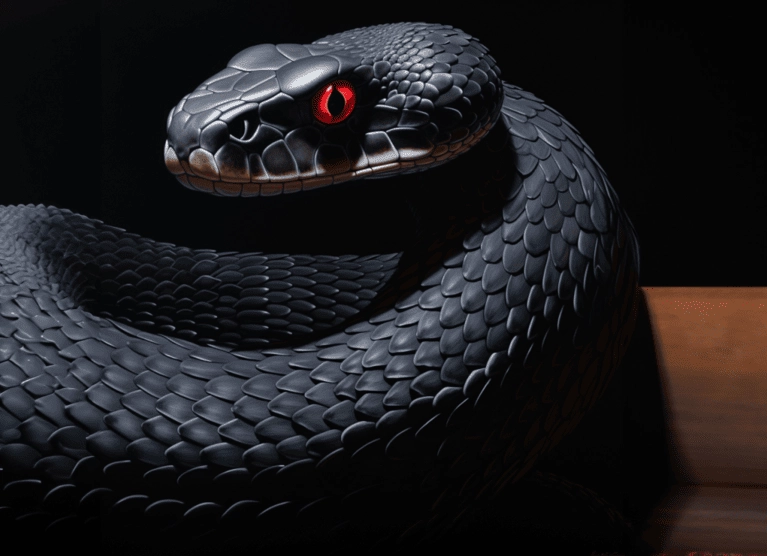
- Snake color: A red snake might connect to anger, passion, or danger. A black snake to the unknown, mystery, or depression.
- Location: Your childhood home? Work? A generic forest? Link the place to a current life arena (family, career, personal growth).
- The "Weapon": Was it your bare hands (personal will), a stick (makeshift tool), or a precise tool? This hints at the resources you're using to deal with the issue.
Step 3: Bridge to Waking Life. This is the core. Ask yourself: "Where in my life right now am I trying to forcefully end, control, or suppress something?" Look at areas of stress. Are you trying to kill a budding romance because of fear? Suppress your creative ideas because they're impractical? Forcefully end a period of grief? The dream killing snake is a dramatic metaphor for this internal process.
Step 4: Consider the Outcome. How did the dream end? Walking away from the dead snake? Staring at it with regret? Did it transform? The aftermath can show your subconscious view of the consequences of this "killing." A feeling of emptiness afterward can be a big clue that elimination wasn't the healthiest solution.
Putting It All Together: A Case Study
Let's make this concrete. Meet Sarah (a composite of real cases).
Her Dream: "I'm in my office, but it's dimly lit. A large, greenish-gold snake is coiled under my desk. I feel a deep dread. I grab a heavy book from my shelf and hit it repeatedly until it stops moving. I feel immediate relief, but then a sickening guilt. I hide the body in a drawer."
Her Associations & Life Context: Sarah's been a graphic designer for 10 years but recently took a promotion to a managerial role. She's struggling. The "greenish-gold" snake reminded her of the company logo. The "heavy book" was a specific design theory textbook she hasn't opened in years. Her waking life stress is immense—she feels she's failing at her new job and misses hands-on design work.
Interpretation: The snake isn't a person. It's the part of her identity as a creative, hands-on designer that she feels is now "lurking" threateningly in her new corporate role (the office). She's trying to "kill" that old self (with the outdated "book" of pure design theory) to fit her new position. The relief is the temporary ease of conforming. The guilt and hiding the body? That's her subconscious screaming that suppressing her core creative passion is a form of self-betrayal that won't stay buried.
The actionable insight for Sarah wasn't to quit her job. It was to negotiate incorporating some design work into her schedule, honoring that "snake" part of herself instead of trying to kill it.
When Should You Be Concerned About Recurring Dreams?
One dream killing snake is a message. Having the same or similar dream repeatedly is an unread urgent message. Your subconscious is knocking louder.
If these dreams are accompanied by daytime anxiety, mood changes, or you find yourself constantly ruminating on them, it's a sign to pay closer attention. The International Association for the Study of Dreams views recurring dreams as flags for unresolved psychological conflicts. The content may be metaphorical, but the distress is real.
This is when moving from self-analysis to talking with a therapist or counselor can be powerful. They can help you decode the persistent metaphor in the context of your broader life narrative. Don't view this as a failure of self-help; view it as bringing in a specialist translator for a complex dialect of your own mind.
Your Burning Questions Answered
Your dream about killing a snake isn't a premonition or a random horror show. It's a personalized, dramatic report from the front lines of your inner world. The goal isn't just to find a meaning, but to start a conversation with yourself. What is that struggle really about? Is "killing" the only option, or is there a way to integrate, understand, or transform that energy instead?
Next time you have that dream, reach for your notebook, not just a search engine. You are the best interpreter of your own life's symbols.








Comments
Join the Conversation